In the rapidly evolving landscape of data science and machine learning, the term “ModelOps” has emerged as a crucial concept, playing a pivotal role in the seamless deployment and management of machine learning models. As organizations increasingly recognize the importance of leveraging data-driven insights, understanding what ModelOps entails becomes essential. In this article, we will delve into the world of ModelOps, exploring its definition, significance, and the transformative impact it can have on the entire model lifecycle.
Defining ModelOps
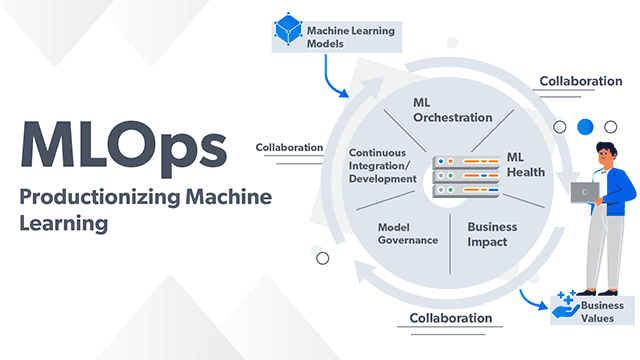
At its core, ModelOps, short for Model Operations, refers to the end-to-end process of managing and deploying machine learning models effectively. It encompasses a comprehensive set of practices, tools, and collaboration frameworks aimed at streamlining the model lifecycle — from development and testing to deployment and monitoring. ModelOps is designed to bridge the gap between data science and IT operations, ensuring that machine learning models not only perform optimally but also remain scalable, maintainable, and compliant.
The Evolution from DevOps to ModelOps
ModelOps can be seen as an extension of the DevOps (Development and Operations) methodology, adapted specifically for the intricacies of machine learning. While DevOps primarily focuses on accelerating the software development lifecycle, ModelOps extends this approach to the unique challenges posed by machine learning models. The rapid growth in the use of machine learning has highlighted the need for a specialized operational framework, leading to the emergence of ModelOps as a distinct discipline.
Key Components of ModelOps
Collaboration and Communication: Effective communication and collaboration between data scientists, model developers, and IT operations are fundamental to successful ModelOps implementation. Ensuring that all stakeholders are aligned from the model development phase through deployment and maintenance is critical for achieving operational excellence.
Automation and Orchestration: ModelOps emphasizes automation to streamline repetitive tasks and orchestrate complex workflows. Automation not only accelerates the deployment process but also minimizes the risk of errors, leading to more reliable and consistent model performance.
Model Versioning and Governance: ModelOps places a strong emphasis on version control and governance. Maintaining a clear record of model versions allows for easy rollback in case of issues, and governance ensures that models comply with regulatory requirements and organizational policies.
Scalability and Infrastructure: Scalability is a key consideration in ModelOps, especially as the volume of data and the complexity of models increase. The infrastructure supporting model deployment must be scalable to accommodate varying workloads, ensuring optimal performance under different conditions.
Significance of ModelOps
Efficient Model Deployment: ModelOps streamlines the deployment process, reducing the time and effort required to transition from model development to production. This efficiency is crucial in deploying models promptly to capitalize on emerging business opportunities.
Improved Model Performance: By incorporating continuous monitoring and feedback loops, ModelOps ensures that deployed models perform optimally. This proactive approach allows for quick identification and resolution of performance issues, contributing to enhanced model accuracy and reliability.
Cost Optimization: ModelOps aids in optimizing resource utilization and minimizing operational costs. Automation and scalability features contribute to efficient resource allocation, ensuring that infrastructure is utilized effectively based on the actual demand.
Enhanced Collaboration: The collaborative nature of ModelOps fosters stronger partnerships between data science and IT teams. This collaboration is essential for aligning business objectives with technical capabilities, ultimately driving more successful and impactful model deployments.
Challenges in Implementing ModelOps
While ModelOps offers a plethora of benefits, its implementation is not without challenges. Some of the common hurdles include:
Skill Set Gap: The implementation of ModelOps requires a blend of skills from both data science and IT operations. Bridging this skill set gap can be a challenge, as it involves fostering cross-disciplinary expertise within the organization.
Integration Complexity: Integrating ModelOps into existing workflows and infrastructure can be complex. Organizations may face challenges in adapting their current systems to accommodate the specialized requirements of model deployment and management.
Regulatory Compliance: Ensuring that models adhere to regulatory standards is a critical aspect of ModelOps. Navigating the evolving landscape of data privacy and compliance regulations adds an additional layer of complexity to the implementation process.
Conclusion
ModelOps represents a critical evolution in the field of machine learning and data science. As organizations continue to embrace the power of data-driven decision-making, the effective deployment and management of machine learning models become paramount. ModelOps provides a structured and comprehensive approach to address the challenges associated with the entire model lifecycle, from development to deployment and beyond.
Understanding the essence of ModelOps is essential for organizations seeking to derive maximum value from their machine learning initiatives. By fostering collaboration, embracing automation, and addressing scalability considerations, businesses can ensure that their models not only meet performance expectations but also contribute significantly to achieving strategic objectives. As the data science landscape continues to evolve, ModelOps stands as a beacon, guiding organizations toward operational excellence in the deployment and management of machine learning models.
In recent years, the realm of artificial intelligence has witnessed a groundbreaking transformation, with Conversational AI emerging as a revolutionary force. As technology advances, the integration of Conversational AI into various aspects of our daily lives has become increasingly prominent. This article explores the profound impact of Conversational AI, delving into its applications, benefits, and the ways in which it is reshaping the dynamics of human-machine interactions.
The Rise of Conversational AI
Conversational AI, at its core, refers to the implementation of artificial intelligence in creating human-like interactions between machines and users. This innovative technology enables devices to understand, interpret, and respond to natural language, fostering a more intuitive and engaging user experience. From chatbots and virtual assistants to voice-activated devices, Conversational AI has permeated diverse sectors, including customer service, healthcare, education, and more.
Enhancing Customer Experiences
One of the key domains where Conversational AI has made significant strides is in customer service. Businesses across industries are leveraging chatbots to streamline communication, provide instant support, and enhance overall customer satisfaction. These intelligent bots, armed with natural language processing capabilities, can understand user queries and offer relevant solutions, effectively reducing response times and minimizing customer frustration.
Conversational AI is not limited to textual interactions; voice-activated virtual assistants like Siri, Alexa, and Google Assistant have become integral parts of our daily lives. These assistants not only execute commands but also engage users in natural conversations, making them indispensable for tasks ranging from setting reminders to providing real-time information.
Transforming Healthcare
In the healthcare sector, Conversational AI is revolutionizing patient care and support. Virtual health assistants are being deployed to provide information on symptoms, schedule appointments, and even offer medication reminders. This not only improves accessibility to healthcare services but also eases the burden on healthcare professionals, allowing them to focus on more complex tasks.
Moreover, Conversational AI is contributing to mental health support by providing a non-judgmental and accessible outlet for users to express their thoughts and feelings. Chatbots equipped with empathy algorithms can engage in meaningful conversations, offering a novel approach to mental health care.
Educational Applications
The integration of Conversational AI in education is reshaping the learning landscape. Intelligent tutoring systems powered by natural language processing can adapt to individual learning styles, providing personalized feedback and assistance. This not only enhances the learning experience but also fosters a more interactive and engaging educational environment.
Additionally, language learning apps are leveraging Conversational AI to simulate real-life conversations, allowing users to practice and improve their language skills in a dynamic and immersive way. The adaptability of these systems makes them valuable tools for learners of all ages.
Challenges and Ethical Considerations
While Conversational AI presents myriad opportunities, it also poses challenges and raises ethical considerations. Ensuring data privacy and security is paramount, as Conversational AI systems often deal with sensitive information. Striking the right balance between convenience and user privacy remains a constant challenge for developers and organizations.
Furthermore, the ethical use of Conversational AI involves addressing biases that may be present in the algorithms. Ensuring fairness and inclusivity in the development and deployment of these systems is crucial to prevent reinforcing societal biases.
The Future Landscape
Looking ahead, the landscape of Conversational AI holds immense promise. As technology continues to advance, we can anticipate more sophisticated and human-like interactions with machines. The integration of emotional intelligence and a deeper understanding of context will further enhance the capabilities of Conversational AI, making it an even more integral part of our daily lives.
From virtual companions that provide emotional support to advanced language translation services that break down communication barriers, the potential applications of Conversational AI are vast. As developers and researchers continue to explore the possibilities, we are on the cusp of an era where interactions with machines feel increasingly natural and intuitive.
Conclusion
Conversational AI is a transformative force that is reshaping the way we interact with technology. From enhancing customer experiences to revolutionizing healthcare and education, its applications are diverse and impactful. While challenges and ethical considerations persist, the continuous evolution of Conversational AI promises a future where human-machine interactions are seamless, intuitive, and deeply enriching. As we navigate this evolving landscape, it is essential to foster responsible development and deployment practices to ensure that Conversational AI contributes positively to our lives.
In the world of AI-driven conversational agents, ChatGPT has emerged as a game-changer. Its ability to engage in natural, human-like conversations has sparked a revolution in various industries. To harness the full potential of ChatGPT, you need the expertise of ChatGPT developers. In this article, we’ll explore the significance of ChatGPT developers, delve into the services they provide, and highlight the role of a ChatGPT development company in building cutting-edge ChatGPT applications.
The Rise of ChatGPT Developers
ChatGPT developers are the architects behind the seamless, interactive experiences you have with chatbots, virtual assistants, and AI-driven customer support systems. They possess the unique skills required to design, develop, and deploy ChatGPT-based applications that cater to your specific needs. These professionals combine their technical expertise with creativity to create conversational AI solutions that feel almost human.
The Role of ChatGPT Development Company
ChatGPT development companies are instrumental in driving innovation and providing comprehensive ChatGPT application development services. These companies serve as hubs for expertise, talent, and resources, allowing businesses to bring their ChatGPT-driven visions to life.
Key Services Offered by ChatGPT Development Companies
Custom ChatGPT Development: ChatGPT development companies offer tailor-made solutions to meet the unique requirements of their clients. They work closely with businesses to design chatbots and virtual assistants that reflect the brand’s identity and enhance user experiences.
Natural Language Processing (NLP): NLP is at the core of ChatGPT’s capabilities. Development companies leverage NLP techniques to ensure that the chatbot or virtual assistant can understand and generate human-like responses. This is crucial for creating an engaging user experience.
Integration with Existing Systems: ChatGPT developers integrate chatbots and virtual assistants with existing software and platforms. This ensures seamless interactions and data flow between the ChatGPT application and other business systems.
Scalability: ChatGPT development companies design applications that can scale according to the business’s growth. They plan for increasing user loads and adapt to evolving needs.
Maintenance and Updates: To ensure the continued effectiveness of ChatGPT applications, development companies provide regular maintenance and updates. This keeps the AI system up-to-date with the latest developments in AI and NLP.
The Value of ChatGPT Developers
The work of ChatGPT developers extends beyond creating chatbots that answer customer inquiries or virtual assistants that schedule appointments. These skilled professionals contribute to various industries and applications, ultimately reshaping the way we interact with technology.
1. Customer Support and Service
In today’s fast-paced business environment, companies are leveraging ChatGPT developers to enhance their customer support services. Chatbots can efficiently handle routine customer inquiries, provide support around the clock, and ensure consistent responses. This leads to increased customer satisfaction and reduced support costs.
2. E-Commerce and Sales
ChatGPT developers are instrumental in improving the e-commerce experience. Chatbots can guide customers through the shopping process, recommend products, and answer questions, effectively acting as virtual sales assistants. This can boost conversion rates and sales.
3. Healthcare and Telemedicine
The healthcare sector has seen tremendous benefits from ChatGPT applications. Virtual healthcare assistants can provide information about medical conditions, schedule appointments, and even offer mental health support. ChatGPT developers are crucial in ensuring that these applications are accurate, secure, and empathetic.
4. Education
ChatGPT developers are enhancing the educational experience by creating virtual tutors and AI-driven learning platforms. These tools adapt to the needs of individual learners, offering personalized support and resources.
5. Content Generation
ChatGPT developers have empowered content creators by developing AI tools that assist in generating high-quality written content. These tools can save time and enhance productivity for bloggers, journalists, and marketing professionals.
The Future of ChatGPT Development
As technology continues to advance, the field of ChatGPT development is poised for significant growth. Here are some trends and possibilities for the future:
1. Multilingual Chatbots
Developers are working on ChatGPT applications that can seamlessly switch between multiple languages, expanding their global reach and usability.
2. Voice-Enabled Chatbots
The integration of ChatGPT with voice recognition technology will lead to the development of voice-enabled virtual assistants for even more natural interactions.
3. Improved Emotional Intelligence
Future ChatGPT applications may be able to better understand and respond to the emotional states of users, leading to more empathetic and supportive interactions.
4. Enhanced Security
As the use of ChatGPT applications grows, developers will focus on strengthening security measures to protect sensitive user data and maintain privacy.
Conclusion
In a world increasingly driven by AI and automation, ChatGPT developers play a pivotal role in shaping the way we interact with technology. They provide the expertise needed to create chatbots and virtual assistants that are not just functional but also engaging, empathetic, and highly adaptable. ChatGPT development companies serve as the engines of innovation, offering a range of services to meet the evolving needs of businesses across various industries.
The future of ChatGPT development holds promising prospects, from multilingual chatbots to emotionally intelligent virtual assistants. As technology continues to advance, the role of ChatGPT developers in reshaping the digital landscape is set to become even more profound. Whether you’re a business looking to enhance customer support or an individual seeking more efficient tools, ChatGPT developers and development companies are at the forefront of this transformative wave, ready to provide solutions that will redefine the way we interact with AI.
Generative AI, a subfield of artificial intelligence (AI), is gaining immense traction for its ability to create, mimic, and generate content that closely resembles human work. Whether you’re a business leader seeking to leverage this technology or a curious enthusiast, this article series will provide a structured introduction to Generative AI.
Generative AI Development
At the core of Generative AI lies the development process. Many top Generative AI consulting companies specialize in creating solutions powered by this technology. Before diving deeper, it’s essential to grasp the foundations. Understanding the key concepts and technologies involved will be instrumental in making informed decisions about leveraging Generative AI for your projects.
Generative AI Consulting Companies
When venturing into the world of Generative AI, partnering with the right consulting company is crucial. These firms are at the forefront of the technology, helping businesses harness its potential. We’ll also discuss what sets the top Generative AI consulting companies apart and how to choose the right partner for your specific needs.
AI Chatbot Development Companies
Generative AI extends its reach into creating AI chatbots that can hold natural conversations with users. This article will explore AI chatbot development companies, their role in the Generative AI landscape, and the innovations they bring to the world of conversational AI.
Mastering Generative AI: Unraveling the Power of GANs
Generative Adversarial Networks, or GANs, are the bedrock of Generative AI. In this article, we’ll embark on a journey to understand GANs comprehensively. These networks have become indispensable tools in the arsenal of top Generative AI development companies, enabling them to create realistic content across various domains.
The Genesis of GANs
To understand GANs, we must first grasp their origin and purpose. In 2014, Ian Goodfellow and his colleagues introduced GANs as a new way to generate data. The primary idea behind GANs is the interplay between two neural networks: the generator and the discriminator.
The generator creates data, while the discriminator evaluates it. They engage in a continuous game of one-upmanship, with the generator aiming to create data that’s indistinguishable from real data, and the discriminator trying to tell the difference. This adversarial process leads to the generator creating increasingly realistic content.
The GAN Architecture
The GAN architecture is deceptively simple, consisting of two neural networks:
Generator: This network takes a random noise input and transforms it into data that resembles the training data. For instance, in image generation, it might produce images of faces or landscapes.
Discriminator: The discriminator evaluates the data produced by the generator and provides feedback. It assigns a probability score, indicating how likely the data is real or fake.
During training, these two networks engage in a feedback loop. The generator learns to create more convincing data by minimizing the gap between its creations and real data. Simultaneously, the discriminator improves its ability to differentiate between real and fake data.
Training Process
GANs require a careful training process. Initially, the generator’s output is far from resembling real data, and the discriminator can easily identify it as fake. However, as training progresses, the generator becomes more adept at creating realistic content. The discriminator, in response, becomes better at telling real from fake.
The training process continues until a point where the generator’s output is so realistic that the discriminator can’t reliably distinguish between real and generated data. This equilibrium is the desired state for GANs, as it signifies that the generator has learned to create content that is virtually indistinguishable from reality.
GAN Variants and Applications
As GANs gained popularity, various variants emerged, each tailored to specific tasks. For instance:
DCGANs (Deep Convolutional GANs): These are widely used for image generation tasks. They incorporate convolutional layers to handle spatial information effectively.
CycleGANs: Designed for image-to-image translation, CycleGANs can convert images from one domain to another while preserving their content.
StyleGANs: These models excel at generating high-quality images with fine-grained control over style and appearance.
BigGANs: Leveraging large-scale architectures, BigGANs are capable of generating high-resolution images with remarkable realism.
The applications of GANs are diverse, spanning from image generation for creative purposes to practical use cases in healthcare, design, and entertainment. They have been employed to create realistic artwork, enhance medical imaging, and even simulate human faces for AI-driven avatars.
Top Generative AI Development Companies and GANs
Many top Generative AI development companies leverage GANs for their projects. Whether it’s crafting lifelike characters for video games or generating synthetic data for training AI models, GANs are an invaluable tool.
These companies have honed their expertise in training and deploying GANs effectively. Their ability to harness the power of GANs has allowed them to push the boundaries of what’s possible in Generative AI. If you’re considering partnering with a Generative AI consulting company, understanding GANs is essential, as these networks often form the cornerstone of their projects.
Generative AI in Action: Transforming Industries
Generative AI isn’t a distant promise; it’s a tangible force driving innovation and transformation across a wide range of industries. In this article, we’ll explore the practical applications of Generative AI, showcasing how top Generative AI consulting companies are reshaping businesses and creating value.
Generative AI in Image Generation
One of the most prominent and visually captivating applications of Generative AI is image generation. Top Generative AI development companies are using advanced models like GANs to create stunningly realistic images. These images find applications in fields such as advertising, fashion, and art.
For instance, artists and designers are collaborating with Generative AI to produce unique artworks that blend human creativity with the machine’s ability to generate diverse and imaginative visuals. This synergy is not only redefining the art world but also inspiring new forms of expression.
In advertising, Generative AI is helping brands personalize content generation for their audiences. Advertisements can be dynamically created to match individual preferences, leading to higher engagement and conversion rates.
AI Chatbots: Conversational AI Powered by Generative AI
AI chatbots are becoming increasingly sophisticated, thanks to Generative AI. AI chatbot development companies are leveraging natural language processing and Generative AI to create chatbots that engage in human-like conversations.
These chatbots are more than just customer service tools; they are virtual assistants that can answer questions, provide recommendations, and even hold meaningful conversations. In healthcare, they assist doctors with patient inquiries and offer medical advice. In e-commerce, they guide customers through the buying process.
The advantage of Generative AI-powered chatbots is their ability to adapt and learn from interactions, making them increasingly useful and efficient over time. They not only provide cost-effective solutions for businesses but also improve the user experience.
Generative AI in Design and Creativity
Designers are embracing Generative AI to explore new frontiers of creativity. Tools that use Generative AI can help generate design ideas, layouts, and even entire websites. This collaboration between human designers and AI-driven creativity is unlocking novel possibilities in design, architecture, and content creation.
For instance, in architecture, Generative AI can assist architects in generating innovative building designs based on specific criteria such as site conditions and user requirements. This accelerates the design process and enables architects to explore a broader spectrum of design options.
Generative AI in Healthcare
The healthcare industry is another domain benefiting from Generative AI. It’s being used for tasks like medical image generation, drug discovery, and disease prediction.
In medical imaging, Generative AI can produce high-resolution images from lower-resolution inputs, aiding doctors in making more accurate diagnoses. In drug discovery, it can generate molecular structures for potential new drugs, significantly accelerating the research process.
Additionally, Generative AI is used for predictive modeling in healthcare. It can analyze patient data to identify patterns and predict disease outcomes, allowing for proactive and personalized healthcare interventions.
Generative AI in Entertainment and Media
Entertainment and media industries are undergoing a revolution with Generative AI. It’s being used to create content, enhance user experiences, and personalize recommendations.
For instance, in the film industry, Generative AI can assist in generating special effects and even entire scenes. It can also be used to develop AI-driven characters that interact with human actors seamlessly.
In the gaming world, Generative AI can create vast and realistic game worlds, populate them with characters, and generate dynamic storylines based on player interactions. This results in more immersive and engaging gaming experiences.
Top Generative AI Consulting Companies and Their Impact
The impact of Generative AI extends far and wide, thanks to the expertise of top Generative AI consulting companies. These companies have honed their skills in applying Generative AI across various industries, enabling businesses to harness its full potential.
They work closely with clients to identify specific use cases and develop tailored solutions. Whether it’s generating realistic product images for e-commerce, creating personalized marketing content, or revolutionizing healthcare with AI-driven diagnostics, top Generative AI consulting companies are at the forefront of innovation.
Navigating Generative AI: Challenges and Ethical Frontiers
As Generative AI continues to advance, it brings forth its own set of challenges and ethical dilemmas. In this article, we address critical issues such as bias, deepfakes, and the potential misuse of Generative AI. Top Generative AI consulting companies are actively working on solutions to these problems, ensuring that the technology is developed and applied responsibly.
Bias in Generative AI
One of the most pressing challenges in Generative AI is the presence of bias in generated content. Generative AI models learn from vast datasets, which can inadvertently contain biases present in the data. These biases can manifest in various forms, including gender, race, and cultural biases.
For example, an AI model trained on a biased dataset may generate text or images that reinforce stereotypes or exhibit discriminatory behavior. This has significant implications for AI chatbot development companies, as biased chatbots can inadvertently propagate harmful stereotypes.
Addressing bias in Generative AI requires careful curation of training data and the development of algorithms that can detect and mitigate bias during the generation process. Top Generative AI consulting companies are at the forefront of research in this area, working to ensure that AI systems are fair and unbiased.
Deepfakes and Misuse
Generative AI has given rise to a phenomenon known as deepfakes, which involve creating highly realistic, manipulated content, often using the faces of individuals without their consent. Deepfakes can be used for malicious purposes, such as spreading disinformation or creating fraudulent content.
The potential for deepfake misuse raises ethical concerns in various industries, from media and politics to cybersecurity. Combatting deepfakes requires a combination of technological solutions, legal frameworks, and public awareness.
Top Generative AI consulting companies are actively involved in developing tools to detect deepfakes and prevent their spread. They are also working on solutions to verify the authenticity of digital content to ensure that trust and integrity are maintained in the digital realm.
Responsible AI Development
In response to these challenges, the AI community is emphasizing the importance of responsible AI development. This includes developing AI systems that are transparent, explainable, and fair. It also involves ensuring that AI technologies are used in ways that benefit society as a whole.
Many top Generative AI consulting companies have adopted ethical AI principles and are committed to responsible AI development. They collaborate with clients to implement AI solutions that align with ethical standards and societal values.
Regulatory Frameworks
Governments and regulatory bodies are also taking steps to address the ethical and legal implications of Generative AI. They are working on frameworks to govern the use of AI technologies, including Generative AI. These frameworks aim to strike a balance between innovation and accountability.
As the regulatory landscape evolves, top Generative AI consulting companies are well-equipped to help their clients navigate compliance requirements and ensure that their AI solutions meet legal and ethical standards.
The Future Unveiled: Advancements in Generative AI
Generative AI is a field that’s constantly evolving, with researchers and top Generative AI development companies pushing the boundaries of what’s possible. In this final article of the series, we’ll explore the latest advancements and trends in Generative AI research. From emerging techniques to open research questions, we’ll keep you informed about the cutting-edge developments in the industry.
Emerging Techniques in Generative AI
Generative AI research is marked by a continual stream of innovative techniques and models. Researchers are constantly exploring new ways to improve the quality and diversity of generated content.
For example, Contrastive Learning is emerging as a powerful technique in training Generative AI models. It focuses on creating representations that emphasize the differences between data points, enabling more precise and diverse content generation.
Additionally, Reinforcement Learning-based approaches are being applied to Generative AI to enhance the control and coherence of generated content. These techniques allow for the generation of content that aligns more closely with user-defined criteria.
Advancements in Style Transfer
Style transfer, the process of applying the artistic style of one image to the content of another, has seen significant advancements in Generative AI research. Models like StyleGAN have demonstrated remarkable capabilities in transferring artistic styles, enabling artists and designers to create unique visual experiences.
These advancements are not limited to static images; they extend to video and animation, offering new creative possibilities in multimedia content generation.
High-Resolution Content Generation
Generative AI models have made impressive strides in generating high-resolution content, whether it’s images, videos, or 3D models. These developments have practical applications in industries such as entertainment, design, and architecture.
High-resolution Generative AI can be used to create lifelike visual effects in movies, design detailed architectural models, and generate photorealistic scenes for virtual reality experiences.
OpenAI’s GPT-4 and Beyond
Leading the way in Generative AI research, OpenAI’s GPT-4 represents a significant leap in natural language understanding and generation. This model is capable of more contextually relevant and coherent text generation, making it a valuable tool for content creation, chatbot development, and more.
The release of GPT-4 exemplifies the ongoing trend of larger and more capable Generative AI models. These models are not only improving language generation but also advancing the state of the art in other domains, such as image generation and translation.
Top Generative AI Consulting Companies and Research
Many top Generative AI consulting companies are actively involved in cutting-edge research. They collaborate with research institutions, contribute to open-source projects, and drive innovation in Generative AI.
These companies are at the forefront of adopting and implementing the latest advancements in Generative AI into practical solutions for their clients. Whether it’s using advanced models for image generation or deploying state-of-the-art chatbots, their work reflects the rapid progress in the field.
Conclusion
In conclusion, the world of Generative AI is a captivating journey, from its foundational concepts to its cutting-edge applications. We’ve explored its roots in adversarial networks, witnessed its transformative impact on industries, and delved into the challenges and ethical considerations it raises. The future of Generative AI promises even greater innovation, as emerging techniques and advancements continue to redefine the boundaries of what’s possible. With top Generative AI consulting companies leading the way, this technology is set to reshape our world, offering new avenues for creativity, efficiency, and engagement. Stay tuned for more exciting developments in this ever-evolving field.
Introduction Welcome to our series on AI use cases, where we explore the transformative power of artificial intelligence across various industries. In this collection of articles, we will delve into how AI is reshaping hospitality, retail and e-commerce, entertainment, legal businesses, education, travel and logistics, the automotive industry, and e-commerce. Each article will provide insights.
Introduction
Welcome to our series on AI use cases, where we explore the transformative power of artificial intelligence across various industries. In this collection of articles, we will delve into how AI is reshaping hospitality, retail and e-commerce, entertainment, legal businesses, education, travel and logistics, the automotive industry, and e-commerce. Each article will provide insights into specific applications, benefits, challenges, and considerations within these sectors, ultimately highlighting the profound impact of AI on our modern world. Let’s embark on a journey to discover the incredible ways AI is revolutionizing these diverse fields.
AI in Hospitality – Transforming Guest Experiences
In today’s rapidly evolving world, the hospitality industry faces the ever-increasing challenge of providing exceptional guest experiences while maintaining efficiency and cost-effectiveness. Enter artificial intelligence (AI), a technology that is reshaping the way hotels and resorts operate, making them more responsive, personalized, and ultimately more competitive.
AI in hospitality encompasses a wide range of applications aimed at improving various aspects of the guest experience. From the moment a guest considers a stay to the check-out process, AI plays a pivotal role. Let’s explore some key areas where AI is making a significant impact.
1. Streamlined Check-Ins and Check-Outs
Long gone are the days of standing in line at the front desk. AI-driven self-check-in kiosks have become increasingly common in hotels, allowing guests to bypass the traditional check-in process and head straight to their rooms. Additionally, AI algorithms can expedite the check-out process, automatically settling bills and sending receipts via email, reducing wait times for guests.
2. Personalized Recommendations
AI analyzes guest data, such as past preferences and behaviors, to provide personalized recommendations. From suggesting room upgrades to offering dining options tailored to individual tastes, these recommendations enhance the guest’s experience, making them feel valued and understood.
3. Efficient Guest Services
Guests can interact with AI-powered chatbots or virtual concierges via mobile apps or in-room devices. These virtual assistants can provide information about local attractions, answer questions, and even fulfill requests for extra towels or room service. This not only improves guest satisfaction but also reduces the workload of hotel staff.
4. Enhanced Security
AI-powered security systems help hotels maintain a safe environment for guests. Facial recognition technology can be used to identify guests and access control, while AI-driven video surveillance systems can detect unusual behavior or security breaches.
5. Revenue Management
AI plays a crucial role in optimizing room pricing based on demand and market trends. Dynamic pricing algorithms adjust rates in real-time, ensuring hotels maximize revenue while maintaining competitive pricing.
Challenges and Considerations
While AI has transformed the hospitality industry in many ways, it is not without its challenges. Privacy concerns, data security, and the need for significant investments in technology infrastructure are some of the hurdles that hotels must overcome when implementing AI solutions. Additionally, striking the right balance between automation and maintaining a human touch is essential to ensure that guests feel genuinely cared for.
AI in Retail and E-commerce – Powering Seamless Shopping
In the world of retail and e-commerce, staying ahead of the competition requires not only the right products but also the right shopping experience. This is where artificial intelligence (AI) steps in, reshaping the retail landscape and enabling businesses to provide seamless, personalized shopping journeys for their customers.
Retail and e-commerce are increasingly turning to AI to enhance various aspects of their operations. Let’s explore some of the ways AI is transforming the shopping experience.
1. Inventory Management and Supply Chain Optimization
One of the key challenges in retail is managing inventory efficiently. AI algorithms analyze historical sales data, seasonality, and other factors to predict demand accurately. Retailers can use these insights to optimize their inventory levels, reducing overstocking and understocking issues. Furthermore, AI-driven supply chain management ensures products are readily available when and where customers want them.
2. Personalized Shopping Recommendations
AI-powered recommendation engines analyze customer data, including purchase history and browsing behavior, to suggest products that match individual preferences. These recommendations not only increase sales but also enhance the overall shopping experience, making customers feel understood and valued.
3. Chatbots and Virtual Shopping Assistants
Many retailers now employ AI-driven chatbots on their websites and messaging apps to provide real-time assistance to customers. These virtual shopping assistants can answer questions, guide customers through the purchase process, and even handle returns and refunds. They operate 24/7, ensuring that help is always available.
4. Visual Search and Augmented Reality (AR)
Visual search and AR technologies are revolutionizing the way customers explore and try products. Visual search allows users to find items by simply uploading a photo, while AR apps enable them to virtually try on clothing or visualize how furniture would look in their homes before making a purchase decision.
5. Pricing Optimization
Dynamic pricing powered by AI ensures that products are priced competitively. Algorithms analyze market conditions, competitor pricing, and demand fluctuations to adjust prices in real-time. This strategy not only maximizes revenue but also ensures that customers receive fair pricing.
Challenges and Considerations
While AI offers significant benefits to the retail and e-commerce sectors, there are challenges to consider. Privacy concerns, data security, and the need for ongoing AI system training and maintenance are among them. Retailers must also strike a balance between automation and maintaining a human touch in customer interactions.
AI in Entertainment – Shaping the Future of Media
Entertainment, from movies and TV shows to music and video games, has always been about captivating audiences and sparking their imaginations. In the age of artificial intelligence (AI), the entertainment industry is harnessing the power of AI to take audience engagement and content creation to new heights.
AI’s influence in entertainment is far-reaching, impacting content creation, distribution, and audience engagement. Let’s explore how AI is shaping the future of media and entertainment.
1. Content Recommendations
Streaming platforms like Netflix and Spotify use AI algorithms to analyze user data and recommend content tailored to individual preferences. This personalization not only keeps viewers engaged but also helps platforms retain subscribers.
2. Virtual Performers and Deepfakes
AI can generate entirely digital actors and performers, reducing the need for human actors in certain roles. Additionally, AI-driven deepfake technology can seamlessly superimpose one person’s likeness onto another, creating new possibilities for storytelling and entertainment.
3. Content Creation and Editing
AI can assist content creators by automating tasks like video editing and caption generation. This not only saves time but also enhances the quality of content by ensuring consistency and accuracy.
4. Audience Insights
AI-powered analytics tools provide valuable insights into audience behavior and preferences. This data helps studios and content creators make informed decisions about content production and marketing strategies.
5. Gaming and Interactive Entertainment
AI is central to the development of sophisticated video games, where AI-driven characters can adapt to player actions, creating dynamic and engaging gameplay experiences. Virtual reality (VR) and augmented reality (AR) also rely on AI for immersive entertainment.
Challenges and Considerations
While AI has unlocked exciting possibilities in entertainment, ethical concerns and challenges exist. Deepfake technology, for example, raises issues related to misinformation and consent. Additionally, the reliance on algorithms for content recommendations has led to discussions about echo chambers and filter bubbles, where users are only exposed to content that aligns with their existing beliefs.
AI in Legal Businesses – Revolutionizing Legal Services
The legal industry, often associated with tradition and paperwork, is undergoing a profound transformation thanks to artificial intelligence (AI). Legal professionals are increasingly turning to AI-powered tools and solutions to streamline their processes, improve decision-making, and enhance client services.
AI is making a significant impact on various aspects of legal practice, from research and analysis to contract management and predictive analytics. Let’s explore how AI is revolutionizing legal services.
1. Legal Research and Document Review
AI-powered platforms can analyze vast volumes of legal documents and case law, saving lawyers significant time and effort. Natural language processing (NLP) algorithms can extract relevant information and identify patterns in legal texts, aiding in legal research and document review.
2. Contract Analysis and Management
AI automates contract analysis, ensuring that agreements adhere to established norms and legal standards. It can also monitor contracts for key events, such as renewal dates, and provide alerts to legal professionals.
3. Predictive Analytics
AI-driven predictive analytics can assess the likely outcomes of legal cases based on historical data and case details. This helps lawyers and their clients make informed decisions regarding litigation strategies, settlements, and negotiations.
4. Chatbots for Legal Consultation
Chatbots powered by AI are increasingly used for initial legal consultations. They can answer basic legal questions, gather information from clients, and schedule appointments with human attorneys. This not only improves accessibility but also frees up lawyers to focus on more complex matters.
5. Data Security and Privacy Compliance
AI plays a crucial role in ensuring data security and compliance with privacy regulations. It can identify and mitigate security risks, protect sensitive client information, and help legal firms adhere to strict data protection laws.
Challenges and Considerations
While AI offers tremendous benefits to legal businesses, challenges such as data privacy, bias in AI algorithms, and the need for ethical considerations in AI adoption must be addressed. Additionally, legal professionals need to adapt to the evolving role of AI in their practice and ensure they remain at the forefront of ethical and legal implications related to AI.
AI in Education – Personalized Learning for All
Education is the cornerstone of personal and societal development. In recent years, artificial intelligence (AI) has emerged as a powerful tool to enhance learning experiences, making education more personalized, accessible, and effective for learners of all ages.
AI’s impact on education is multifaceted, affecting both the classroom and remote learning environments. Let’s explore how AI is transforming education and the benefits it brings to learners.
1. Adaptive Learning Platforms
AI-powered adaptive learning platforms use data analytics to tailor educational content and pace to individual student needs. They assess a student’s strengths and weaknesses and adjust lessons accordingly, ensuring that each learner receives personalized instruction.
2. Virtual Tutors and Chatbots
Virtual tutors and chatbots powered by AI provide instant assistance to students. They can answer questions, explain concepts, and offer guidance on assignments, providing support outside of regular classroom hours.
3. Automated Grading and Feedback
AI can automate the grading process for assignments and assessments, providing timely feedback to both students and educators. This not only saves teachers valuable time but also allows students to track their progress and make improvements.
4. Language Learning and Translation
AI-driven language learning apps and translation tools make it easier for students to learn new languages and communicate with people from different backgrounds. These tools incorporate speech recognition, natural language processing, and machine translation to facilitate language acquisition.
5. Early Intervention and Learning Disabilities
AI can help identify learning difficulties and disabilities early on by analyzing students’ performance and behavior. This enables educators to intervene promptly and provide tailored support to students who may need additional assistance.
Challenges and Considerations
While AI offers numerous benefits in education, it also presents challenges. Privacy concerns related to student data, the need for teacher training in AI integration, and the potential for algorithmic bias must be carefully addressed. Balancing AI’s role with the nurturing and empathetic aspects of teaching remains an ongoing consideration.
AI in Travel and Logistics – Redefining the Journey
The travel and logistics industry is constantly on the move, with millions of people and goods in transit daily. To meet the demands of this fast-paced sector, artificial intelligence (AI) has emerged as a transformative force, optimizing routes, improving customer experiences, and making supply chains more efficient.
The integration of AI in travel and logistics has brought about a host of innovations that enhance both customer satisfaction and operational efficiency. Let’s explore how AI is redefining the journey.
1. Route Optimization and Navigation
AI algorithms analyze real-time traffic data, weather conditions, and historical route information to optimize travel routes. This results in reduced travel times, fuel savings, and lower emissions for both passenger and freight transportation.
2. Predictive Maintenance
AI-powered sensors and predictive analytics identify potential maintenance issues in vehicles and infrastructure before they become critical. This proactive approach minimizes downtime and ensures the safety and reliability of transportation systems.
3. Enhanced Customer Experience
Chatbots and virtual travel assistants powered by AI provide travelers with instant support and information. Whether it’s booking tickets, checking flight statuses, or receiving personalized recommendations for accommodations, AI enhances the overall travel experience.
4. Supply Chain Optimization
AI plays a pivotal role in managing and optimizing supply chains. It monitors inventory levels, predicts demand, and provides real-time visibility into the movement of goods. This ensures that products reach their destinations efficiently and on time.
5. Security and Fraud Detection
In the realm of travel, AI helps enhance security by analyzing passenger data and identifying potential threats. AI algorithms can detect anomalies in passenger behavior or baggage scans, improving airport and transportation security.
Challenges and Considerations
While AI brings significant benefits to travel and logistics, it also presents challenges. Privacy concerns related to traveler data, the need for investments in AI infrastructure, and adapting to evolving regulatory frameworks are among the considerations. Striking a balance between automation and human intervention is also crucial to maintaining a high level of customer service.
AI in the Automotive Industry – Paving the Way to Autonomous Vehicles
The automotive industry is on the cusp of a transformative revolution, and at the heart of this change is artificial intelligence (AI). AI-powered technologies are paving the way for autonomous vehicles, making transportation safer, more efficient, and environmentally friendly.
AI is reshaping the automotive industry in numerous ways, from self-driving cars to enhanced safety features. Let’s explore how AI is driving innovation in transportation.
1. Autonomous Vehicles
Self-driving cars are a prime example of AI’s impact on the automotive industry. AI algorithms use data from sensors, cameras, and radar to navigate and make real-time decisions, reducing the risk of accidents and improving traffic flow.
2. Advanced Driver Assistance Systems (ADAS)
AI-powered ADAS features enhance driver safety by providing real-time alerts and assistance. These systems include adaptive cruise control, lane-keeping assistance, and collision avoidance, making driving safer and more comfortable.
3. Predictive Maintenance
AI algorithms monitor a vehicle’s health by analyzing data from sensors and internal systems. They can predict maintenance needs and alert drivers or service centers to address issues before they become critical.
4. Infotainment and Personalization
AI enhances the in-car entertainment experience by providing personalized content recommendations, voice-activated controls, and connectivity with external devices. This not only keeps drivers engaged but also improves the overall driving experience.
5. Traffic Management and Optimization
AI-powered traffic management systems analyze real-time traffic data to optimize traffic flow and reduce congestion. This has the potential to significantly reduce travel times and fuel consumption.
Challenges and Considerations
The integration of AI in the automotive industry is not without its challenges. Safety concerns, regulatory hurdles, and ethical considerations regarding autonomous vehicles are among the key issues. Additionally, ensuring the security of vehicle data and protecting against cyber threats are growing concerns in the AI-driven automotive landscape.
AI in E-commerce – Personalizing the Online Shopping Journey
The world of e-commerce is characterized by fierce competition and rapidly changing consumer preferences. To succeed in this dynamic environment, businesses are turning to artificial intelligence (AI) to create personalized and engaging online shopping experiences.
AI has become integral to the e-commerce sector, powering everything from product recommendations to inventory management. Let’s explore how AI is shaping the online shopping journey.
1. Personalized Product Recommendations
AI algorithms analyze user data and behavior to provide tailored product recommendations. Whether it’s suggesting related items, highlighting best sellers, or showcasing personalized deals, AI enhances the shopping experience and increases sales.
2. Chatbots and Virtual Shopping Assistants
AI-driven chatbots provide real-time assistance to shoppers, answering questions, helping with product selection, and addressing concerns. Virtual shopping assistants can guide users through the purchase process, mimicking the experience of interacting with an in-store sales associate.
3. Visual Search and Augmented Reality (AR)
Visual search technology allows users to find products by uploading images or using their smartphone cameras. AR apps enable customers to virtually try on clothing, visualize furniture in their homes, or see how products fit into their lives before making a purchase decision.
4. Dynamic Pricing and Inventory Management
AI optimizes pricing strategies by analyzing market conditions, competitor prices, and demand fluctuations. Dynamic pricing ensures that products are competitively priced and that customers receive the best deals.
5. Fraud Detection and Security
AI plays a crucial role in detecting and preventing fraudulent transactions. Machine learning algorithms analyze user behavior and transaction patterns to identify suspicious activities and protect both customers and businesses.
Challenges and Considerations
While AI offers significant advantages in e-commerce, it also presents challenges. Concerns about data privacy, algorithmic bias in recommendations, and the need for transparent AI systems must be addressed. Additionally, businesses must strike a balance between personalization and privacy to build and maintain customer trust.
Conclusion
In this series, we have explored the boundless potential of artificial intelligence across a spectrum of industries. From enhancing guest experiences in hospitality to personalizing the online shopping journey in e-commerce, AI has proven to be a game-changer. It’s reshaping the future of entertainment, optimizing legal services, making education more accessible and effective, and revolutionizing travel, logistics, and the automotive industry. As we conclude this series, one thing is clear: AI’s transformative power knows no bounds. It continues to redefine the way we live, work, and interact with the world, promising a future filled with innovation, efficiency, and endless possibilities. We look forward to witnessing the ongoing evolution of AI and its continued impact on our lives and industries.
In the age of artificial intelligence, staying ahead of the competition requires more than just adopting cutting-edge technology; it demands harnessing its full potential. This is where an AI Development Company comes into play. These specialized firms are dedicated to crafting AI solutions that can revolutionize businesses, improve efficiency, and enhance customer experiences.
Understanding the Role of AI Development Companies
Artificial Intelligence (AI) is no longer a futuristic concept; it’s a reality that’s transforming industries across the board. However, building, implementing, and maintaining AI solutions can be a complex task. That’s where AI Development Companies step in. They are the architects of the AI landscape, and their role is multifaceted.
Expertise: AI Development Companies have teams of experts with a deep understanding of machine learning, deep learning, and natural language processing, among other AI technologies. They use this expertise to tailor AI solutions to specific business needs.
Customization: One of the key benefits of collaborating with an AI Development Company is the ability to create custom solutions. Off-the-shelf AI tools can be helpful, but they often fall short when it comes to addressing unique business challenges.
Scalability: These companies can design AI solutions that grow with your business. Whether you need a simple chatbot or a complex recommendation engine, AI developers can scale your solution as needed.
Data Management: AI heavily relies on data. AI Development Companies are well-versed in data collection, storage, and analysis, ensuring your AI systems have access to the right data at the right time.
Ongoing Support: The AI landscape is dynamic. AI Development Companies provide continuous support and updates to keep your AI systems relevant and effective.
Choosing the Right AI Development Company
Selecting the right AI Development Company is a critical decision. Here are some factors to consider:
Expertise: Look for a company with a strong track record and a team of skilled AI professionals. Check their portfolio to see if they’ve worked on projects similar to yours.
Client Reviews: Client testimonials and case studies can give you insights into the company’s performance and client satisfaction.
Customization: Ensure the company is willing to customize solutions to your specific needs rather than providing one-size-fits-all products.
Scalability: Inquire about their ability to scale the solution as your business grows.
Data Security: AI often deals with sensitive data. Ensure the company has robust security measures in place.
Long-term Vision: AI is an ongoing journey. Choose a partner that can help you navigate the ever-evolving AI landscape.
Embracing the Future
In a world where data is abundant and technology evolves at breakneck speed, leveraging AI is not just an option; it’s a necessity. An AI Development Company can be your guiding star on this transformative journey. With their expertise, customization, and commitment to ongoing support, you can harness the full potential of AI and stay at the forefront of your industry.
In today’s rapidly evolving technological landscape, the potential of artificial intelligence (AI) knows no bounds. Among the many facets of AI, Generative AI has emerged as a powerful force, capable of transforming industries and revolutionizing the way we create content, make art, and even solve complex problems. To harness the full potential of Generative AI, partnering with the right development company is crucial. This article will explore the importance of choosing the right Generative AI Development Company and how it can shape the future of your business.
The Rise of Generative AI
Generative AI is a subset of artificial intelligence that focuses on enabling machines to create content, imitate human-like behaviors, and even generate entirely new data. It encompasses a variety of technologies, including deep learning, natural language processing, and neural networks, to accomplish these tasks. This technology has a multitude of applications, from text generation and image synthesis to music composition and even drug discovery.
The Need for Expertise
Implementing Generative AI effectively requires a deep understanding of AI technologies and the resources to build and maintain complex models. This is where a Generative AI Development Company comes into play. Their expertise can be a game-changer, ensuring that the technology is applied accurately and effectively to meet your specific needs.
Choosing the Right Partner
Here are some crucial considerations when selecting a Generative AI Development Company:
1. Expertise and Experience
The first and most important criterion is the company’s expertise. Look for a company that has a proven track record of developing Generative AI solutions. Their past projects, client testimonials, and case studies can give you insights into their capabilities.
2. Customization
Your business is unique, and your AI solutions should be too. Ensure the development company can tailor their solutions to your specific requirements. Generic models might not meet your business’s precise needs.
3. Data Privacy and Security
AI development often involves handling sensitive data. Make sure the company follows stringent data privacy and security protocols to protect your information and maintain compliance with data protection laws.
4. Scalability
Consider your future needs. The right company should be able to scale their solutions as your business grows and your AI requirements evolve.
5. Support and Maintenance
AI models require ongoing maintenance and updates. Ensure the company provides post-implementation support and is committed to keeping your solutions up-to-date.
LeewayHertz: Your Generative AI Development Partner
One notable Generative AI Development Company that excels in all these aspects is LeewayHertz. They have a history of delivering cutting-edge AI solutions across various domains. LeewayHertz specializes in custom Generative AI solutions, ensuring that their technology aligns perfectly with your business objectives. With a commitment to data security and privacy, they prioritize your peace of mind.
Their scalable solutions can grow with your business, adapting to your evolving needs. LeewayHertz’s comprehensive support and maintenance services guarantee that your AI solutions remain at the forefront of technology.
Embrace the Future
As AI continues to shape industries and redefine what’s possible, choosing the right Generative AI Development Company is paramount. The decision you make today can propel your business into a future of endless possibilities, where creativity, efficiency, and innovation know no bounds. Whether you’re considering content generation, art creation, or any other application of Generative AI, investing in the right partner can make all the difference. So, why wait? Embrace the future and partner with a Generative AI Development Company that understands your vision and can turn it into reality.
In the rapidly evolving landscape of cybersecurity, the battle against fraud and online threats has never been more challenging. As technology advances, so do the tactics of cybercriminals. This necessitates a dynamic and proactive approach to fraud detection. Artificial Intelligence (AI) has emerged as a powerful ally in this ongoing struggle, revolutionizing the way organizations protect themselves and their clients. In this article, we’ll explore the role of AI in fraud detection, its applications, and its impact on enhancing security.
Understanding AI in Fraud Detection
AI is a branch of computer science that focuses on creating systems capable of performing tasks that typically require human intelligence. These tasks include learning, reasoning, problem-solving, perception, and language understanding. When applied to fraud detection, AI systems excel in identifying anomalies, patterns, and unusual activities that may indicate fraudulent behavior. These systems leverage machine learning, deep learning, and data analytics to achieve this.
Key Applications of AI in Fraud Detection
Pattern Recognition: AI systems can identify patterns in data that might be too complex for humans to recognize. By analyzing historical data, AI can learn what typical user behavior looks like and promptly detect deviations from the norm.
Real-time Monitoring: AI-powered systems are equipped to monitor transactions and activities in real time, allowing for immediate responses to suspicious actions. This real-time analysis helps prevent fraudulent activities before they escalate.
Behavioral Biometrics: AI can analyze unique user behavior patterns, such as typing speed, mouse movements, or the way a user holds their device. These behavioral biometrics can be used to verify the identity of users and detect anomalies that might indicate fraud.
Natural Language Processing (NLP): AI can analyze written or spoken communication to detect signs of fraud, such as in phishing emails or fraudulent customer support interactions.
Predictive Analysis: By analyzing historical data, AI can predict future fraud trends and adapt to new threats. This proactive approach helps organizations stay one step ahead of cybercriminals.
Scalability: AI can handle vast amounts of data and scale up or down as needed. This is particularly valuable for large organizations dealing with massive amounts of transactions and user interactions.
The Impact of AI in Fraud Detection
The integration of AI in fraud detection has resulted in significant benefits for organizations across various industries. Some of these impacts include:
Reduced False Positives: AI’s ability to differentiate between legitimate and fraudulent transactions has led to a decrease in false positives. This means fewer inconveniences for genuine customers.
Real-time Response: AI can detect and respond to threats in real time, preventing financial losses and damage to a company’s reputation.
Cost Savings: Automating fraud detection through AI reduces the need for extensive human monitoring, resulting in cost savings for organizations.
Improved Customer Experience: With fewer false alarms and quicker detection of fraud, customers experience a smoother and more secure interaction with businesses.
Adaptability: AI systems continuously learn and adapt, staying current with emerging threats and evolving fraud techniques.
Challenges and Considerations
While AI has transformed the landscape of fraud detection, there are some challenges to consider. These include concerns about privacy, ethical AI usage, and the need for ongoing monitoring and fine-tuning of AI systems.
Conclusion
AI in fraud detection is a game-changer for organizations looking to protect their assets and customers from the ever-evolving landscape of cyber threats. Its ability to quickly identify patterns and anomalies, adapt to new threats, and provide real-time responses has made it an indispensable tool in the fight against fraud. As technology continues to advance, it’s clear that AI will play an increasingly crucial role in safeguarding our digital world.
In today’s rapidly evolving business landscape, staying competitive and efficient is paramount for enterprises of all sizes. Leveraging cutting-edge technology to enhance productivity and customer service has become a necessity. One such technology that has gained substantial attention in recent years is ChatGPT. This powerful AI-driven tool is revolutionizing how enterprises interact with customers, automate tasks, and streamline their operations. In this article, we will explore the various use cases and solutions that ChatGPT offers to enterprises.
Understanding ChatGPT
ChatGPT, an offspring of the renowned GPT-3.5 model, is a language model powered by artificial intelligence. It is designed to engage in natural language conversations and provide context-aware responses. ChatGPT leverages deep learning and neural network technologies to understand and generate human-like text. By processing and generating text in real-time, it can facilitate communication between customers, employees, and automated systems, making it a versatile tool for enterprises.
Use Cases for ChatGPT in Enterprise
Customer Support and Service:ChatGPT can be a valuable addition to customer support teams. It can provide immediate responses to customer inquiries, offer solutions to common problems, and guide customers through troubleshooting processes. This not only enhances the customer experience but also reduces the workload on human support agents, allowing them to focus on more complex issues.
Sales and Marketing:ChatGPT can be programmed to handle routine inquiries from potential customers, assist in product recommendations, and even provide personalized marketing content. It can help in lead generation by engaging with website visitors and capturing their information for follow-up by the sales team.
HR and Employee Onboarding:Enterprises can use ChatGPT to answer HR-related questions from employees, such as those about company policies, benefits, or even guidance during the onboarding process. This ensures that employees have quick access to information, reducing administrative burden.
Knowledge Management:ChatGPT can serve as a smart knowledge repository. It can help employees find information within the organization quickly. For instance, if an employee needs a specific document or data, they can ask ChatGPT to retrieve it, saving time and increasing efficiency.
Process Automation:ChatGPT can automate various business processes. For instance, it can be integrated with systems to schedule meetings, answer frequently asked questions about workflows, or even assist in basic data entry tasks, reducing human intervention in repetitive tasks.
Solutions for Enterprises
Custom Chatbots:Enterprises can build custom chatbots using ChatGPT to provide tailored responses that match their brand’s tone and style. These chatbots can be embedded on websites, mobile apps, or integrated with messaging platforms.
Integration with CRM Systems:ChatGPT can be integrated with Customer Relationship Management (CRM) systems to provide real-time support and information to sales and customer support teams. This improves the overall customer experience by ensuring that agents have the most up-to-date information at their fingertips.
Scalability:ChatGPT can handle multiple customer inquiries simultaneously, making it highly scalable. This is crucial for enterprises with a large customer base, as it ensures that customers don’t face long wait times for support or information.
Data Security:ChatGPT for enterprise is designed with robust security features to protect sensitive customer and company data. It can be configured to adhere to compliance standards and regulations.
Conclusion
ChatGPT is rapidly becoming an indispensable tool for enterprises looking to improve customer service, automate processes, and streamline their operations. Its versatility and scalability make it a valuable asset for businesses of all sizes. By harnessing the power of ChatGPT, enterprises can enhance their efficiency, deliver exceptional customer service, and stay competitive in today’s fast-paced business world. Embracing this technology is not just a trend; it’s a strategic move toward a more productive and customer-focused future.
In the ever-evolving landscape of natural language processing and artificial intelligence, new techniques and models are constantly emerging to enhance the way we generate and interact with text. One such advancement is Retrieval Augmented Generation, a technology that’s changing the way we approach content generation and information retrieval.
What is Retrieval Augmented Generation?
Retrieval Augmented Generation, often abbreviated as RAG, is a groundbreaking AI methodology that marries the strengths of retrieval and generation models. It bridges the gap between traditional search engines and natural language generation, offering a unique solution to information retrieval and content creation challenges.
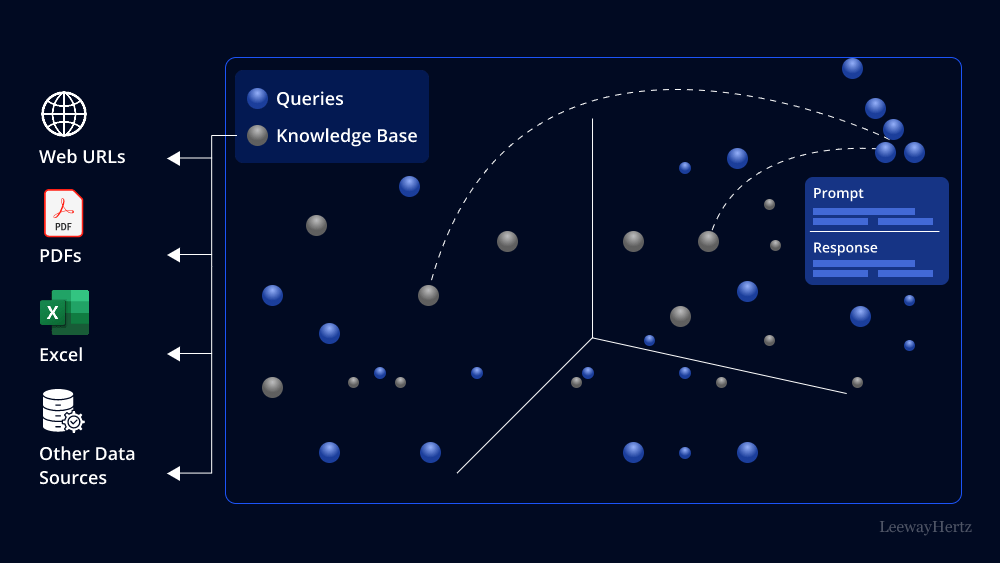
The concept of RAG is elegantly simple: it integrates retrieval-based and generation-based models into a single framework. Retrieval models are skilled at identifying relevant information in vast datasets, while generation models excel at creating human-like text. By combining these two approaches, RAG empowers machines to generate contextually rich, coherent, and informative content.
How Does Retrieval Augmented Generation Work?
RAG operates by using a retrieval model to identify potentially relevant passages from a vast corpus of text. It then employs a generation model to transform these passages into coherent and contextually relevant responses. This two-step process ensures that the generated content is not only informative but also coherent and contextually accurate.
The key components of RAG are as follows:
Retriever: The retriever is responsible for searching through extensive datasets to identify relevant information based on a given query. It employs techniques like BM25 or neural retrievers to rank and select relevant passages.
Generator: The generator takes the retrieved passages and creates coherent responses. It typically utilizes large language models like GPT (Generative Pre-trained Transformer) to generate human-like text.
Ranker (Optional): In some RAG architectures, a ranker model is employed to further filter and rank retrieved passages before they are passed to the generator. This step can help improve the quality of the generated content.
Applications of Retrieval Augmented Generation
The applications of Retrieval Augmented Generation are vast and diverse:
Question Answering: RAG can answer questions by retrieving and generating answers from a knowledge base.
Content Creation: It can assist content creators by suggesting contextually relevant information and even drafting entire articles or reports.
Chatbots and Virtual Assistants: RAG-powered chatbots can provide more accurate and context-aware responses, enhancing the user experience.
Language Translation: RAG can be used to generate translations that are not only accurate but also contextually relevant.
Enhancing Search Engines: Search engines can benefit from RAG by providing more accurate and informative search results.
Challenges and Future Developments
While Retrieval Augmented Generation has made significant strides in improving content generation and information retrieval, it’s not without its challenges. Fine-tuning the balance between retrieval and generation, managing computational resources, and addressing ethical considerations are some of the hurdles that researchers and developers continue to work on.
In the future, we can expect even more refined RAG models, improved algorithms, and wider adoption of this technology across various industries.
Conclusion
Retrieval Augmented Generation is a transformative technology that’s reshaping the way we access and create content. By merging the strengths of retrieval and generation models, RAG offers a unique solution to many information-related challenges. As the field continues to evolve, we can anticipate a world where content creation and retrieval are more efficient, accurate, and contextually relevant than ever before.













 Development Services