Blockchain has been an integral part of the global economy since its introduction in 2009. Bitcoin is now valued at more than $31,000. There are many other cryptocurrencies that have gained large profits, in addition to bitcoin. Stellar, a distributed payment network, was launched in 2014. It is unique because it allows cross-border payments to be made. It is an open-source blockchain database designed to make transactions more efficient, safer, and simpler. It provides secure, low-cost and real-time international payments.
Stellar Lumen is also known as XLM or Stellar Lumen.
Jed McCaleb was the founder of Stellar. Stellar allows people to transfer money internationally in crypto or their fiat currencies into crypto. Stellar Development Foundation, an international non-profit, is dedicated to unlocking the world’s potential economic growth by making money more fluid, markets opener, and people more empowered.
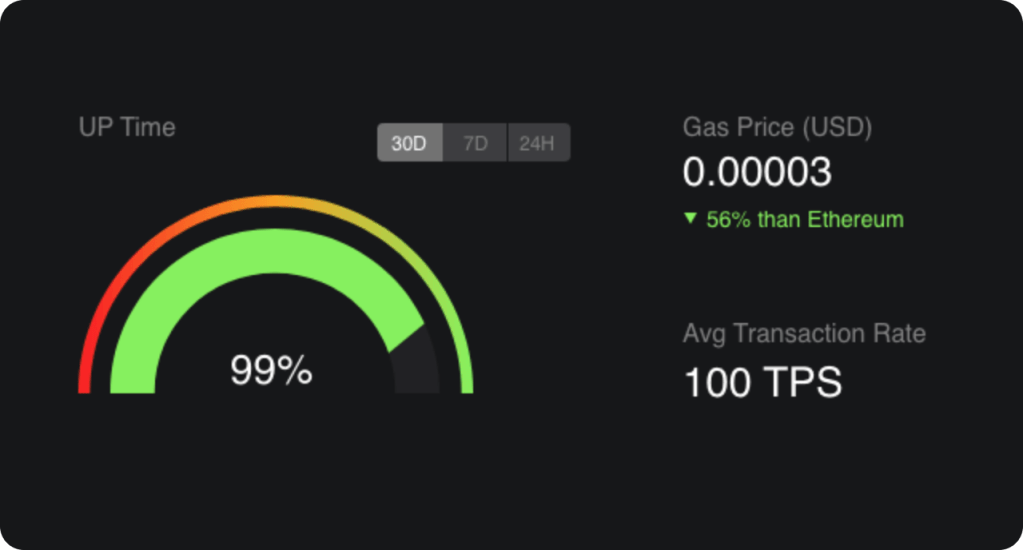
Stellar is unique in that the transaction fee for each transaction is only 0.00001XLM. Stellar’s transaction fees are low, which attracts more people and helps them keep the most of their money.
What is a Stellar wallet, and what can it store?
Stellar’s basic functionality is handled by a stellar wallet, which is an application component that handles account creation, key storage, queries, and transaction sign-up to the Stellar database.
Stellar wallets are not able to hold digital cash. Stellar wallets allow you to sign and submit transactions and view the Stellar leadger’s history and current status. The ledger stores data including all offers to buy and/or sell, accounts, and balances that are shared by all the nodes making up a network. The blockchain stores the actual data. Wallet stores caches and references to the Stellar databases.
The main takeaway is that Stellar wallet is more than just storing or holding something. Stellar wallet’s focus is on accessing and surfacing network data, not storing anything.
Wallets are client-side transactions that use user secret keys to gain access to user accounts. To ensure security, wallets must use strong TLS encryption to transmit all traffic. Security cannot be achieved without key management. Before we get to the creation and management of wallets, let us first cover key management in a Stellar wallet.
How to manage keys?
For any app, the first step is to handle user onboarding. Secret keys control access to the user’s account. It is therefore important to determine how to handle keys, and how to add the Stellar account as a user object.
You might be asking yourself a very important question: who “owns” the account? Three possibilities are available to answer this question:
- The owner is the service provider. He or she stores the secret keys, and the user has the right to use the keys. It’s a custodial facility.
- The owner is the user. He/she will take care of their account credentials, and delegate transaction signers. It is a non-custodial services.
- Mixing both using multi-sig. This method allows for account recovery and maintains non-custodial status.
It is important to take care of secret keys and store them safely, regardless of whether you choose the first or third option. It is easy for things to go wrong and lead to a disastrous situation. However, developers have the option to choose which option suits their needs best. Our goal is to show you how to make a non-custodial services. Our goal is for you to be able to access Stellar account information using the intuitive encryption method.
Read More : https://www.leewayhertz.com/create-stellar-wallet/

 Development Services