Source Url: https://www.leewayhertz.com/what-is-modelops/
In the rapidly evolving landscape of data science and machine learning, the term “ModelOps” has emerged as a crucial concept, playing a pivotal role in the seamless deployment and management of machine learning models. As organizations increasingly recognize the importance of leveraging data-driven insights, understanding what ModelOps entails becomes essential. In this article, we will delve into the world of ModelOps, exploring its definition, significance, and the transformative impact it can have on the entire model lifecycle.
Defining ModelOps
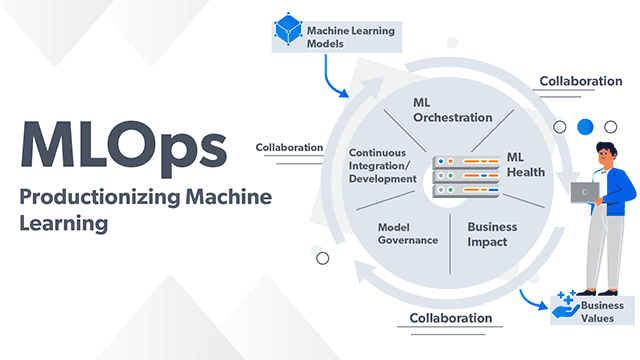
At its core, ModelOps, short for Model Operations, refers to the end-to-end process of managing and deploying machine learning models effectively. It encompasses a comprehensive set of practices, tools, and collaboration frameworks aimed at streamlining the model lifecycle — from development and testing to deployment and monitoring. ModelOps is designed to bridge the gap between data science and IT operations, ensuring that machine learning models not only perform optimally but also remain scalable, maintainable, and compliant.
The Evolution from DevOps to ModelOps
ModelOps can be seen as an extension of the DevOps (Development and Operations) methodology, adapted specifically for the intricacies of machine learning. While DevOps primarily focuses on accelerating the software development lifecycle, ModelOps extends this approach to the unique challenges posed by machine learning models. The rapid growth in the use of machine learning has highlighted the need for a specialized operational framework, leading to the emergence of ModelOps as a distinct discipline.
Key Components of ModelOps
- Collaboration and Communication: Effective communication and collaboration between data scientists, model developers, and IT operations are fundamental to successful ModelOps implementation. Ensuring that all stakeholders are aligned from the model development phase through deployment and maintenance is critical for achieving operational excellence.
- Automation and Orchestration: ModelOps emphasizes automation to streamline repetitive tasks and orchestrate complex workflows. Automation not only accelerates the deployment process but also minimizes the risk of errors, leading to more reliable and consistent model performance.
- Model Versioning and Governance: ModelOps places a strong emphasis on version control and governance. Maintaining a clear record of model versions allows for easy rollback in case of issues, and governance ensures that models comply with regulatory requirements and organizational policies.
- Scalability and Infrastructure: Scalability is a key consideration in ModelOps, especially as the volume of data and the complexity of models increase. The infrastructure supporting model deployment must be scalable to accommodate varying workloads, ensuring optimal performance under different conditions.
Significance of ModelOps
- Efficient Model Deployment: ModelOps streamlines the deployment process, reducing the time and effort required to transition from model development to production. This efficiency is crucial in deploying models promptly to capitalize on emerging business opportunities.
- Improved Model Performance: By incorporating continuous monitoring and feedback loops, ModelOps ensures that deployed models perform optimally. This proactive approach allows for quick identification and resolution of performance issues, contributing to enhanced model accuracy and reliability.
- Cost Optimization: ModelOps aids in optimizing resource utilization and minimizing operational costs. Automation and scalability features contribute to efficient resource allocation, ensuring that infrastructure is utilized effectively based on the actual demand.
- Enhanced Collaboration: The collaborative nature of ModelOps fosters stronger partnerships between data science and IT teams. This collaboration is essential for aligning business objectives with technical capabilities, ultimately driving more successful and impactful model deployments.
Challenges in Implementing ModelOps
While ModelOps offers a plethora of benefits, its implementation is not without challenges. Some of the common hurdles include:
- Skill Set Gap: The implementation of ModelOps requires a blend of skills from both data science and IT operations. Bridging this skill set gap can be a challenge, as it involves fostering cross-disciplinary expertise within the organization.
- Integration Complexity: Integrating ModelOps into existing workflows and infrastructure can be complex. Organizations may face challenges in adapting their current systems to accommodate the specialized requirements of model deployment and management.
- Regulatory Compliance: Ensuring that models adhere to regulatory standards is a critical aspect of ModelOps. Navigating the evolving landscape of data privacy and compliance regulations adds an additional layer of complexity to the implementation process.
Conclusion
ModelOps represents a critical evolution in the field of machine learning and data science. As organizations continue to embrace the power of data-driven decision-making, the effective deployment and management of machine learning models become paramount. ModelOps provides a structured and comprehensive approach to address the challenges associated with the entire model lifecycle, from development to deployment and beyond.
Understanding the essence of ModelOps is essential for organizations seeking to derive maximum value from their machine learning initiatives. By fostering collaboration, embracing automation, and addressing scalability considerations, businesses can ensure that their models not only meet performance expectations but also contribute significantly to achieving strategic objectives. As the data science landscape continues to evolve, ModelOps stands as a beacon, guiding organizations toward operational excellence in the deployment and management of machine learning models.

 Development Services