Introduction Welcome to our series on AI use cases, where we explore the transformative power of artificial intelligence across various industries. In this collection of articles, we will delve into how AI is reshaping hospitality, retail and e-commerce, entertainment, legal businesses, education, travel and logistics, the automotive industry, and e-commerce. Each article will provide insights.
Introduction
Welcome to our series on AI use cases, where we explore the transformative power of artificial intelligence across various industries. In this collection of articles, we will delve into how AI is reshaping hospitality, retail and e-commerce, entertainment, legal businesses, education, travel and logistics, the automotive industry, and e-commerce. Each article will provide insights into specific applications, benefits, challenges, and considerations within these sectors, ultimately highlighting the profound impact of AI on our modern world. Let’s embark on a journey to discover the incredible ways AI is revolutionizing these diverse fields.
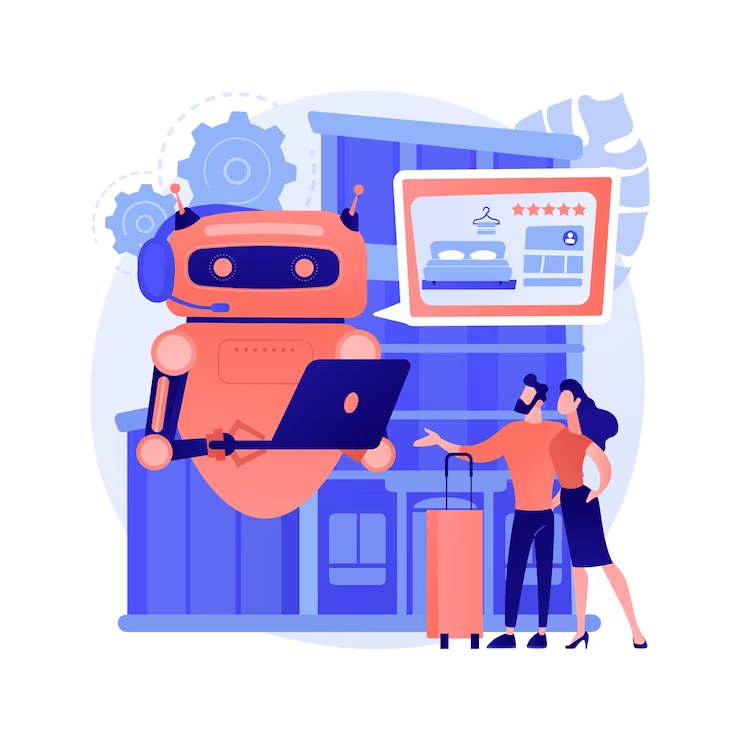
AI in Hospitality – Transforming Guest Experiences
In today’s rapidly evolving world, the hospitality industry faces the ever-increasing challenge of providing exceptional guest experiences while maintaining efficiency and cost-effectiveness. Enter artificial intelligence (AI), a technology that is reshaping the way hotels and resorts operate, making them more responsive, personalized, and ultimately more competitive.
AI in hospitality encompasses a wide range of applications aimed at improving various aspects of the guest experience. From the moment a guest considers a stay to the check-out process, AI plays a pivotal role. Let’s explore some key areas where AI is making a significant impact.
1. Streamlined Check-Ins and Check-Outs
Long gone are the days of standing in line at the front desk. AI-driven self-check-in kiosks have become increasingly common in hotels, allowing guests to bypass the traditional check-in process and head straight to their rooms. Additionally, AI algorithms can expedite the check-out process, automatically settling bills and sending receipts via email, reducing wait times for guests.
2. Personalized Recommendations
AI analyzes guest data, such as past preferences and behaviors, to provide personalized recommendations. From suggesting room upgrades to offering dining options tailored to individual tastes, these recommendations enhance the guest’s experience, making them feel valued and understood.
3. Efficient Guest Services
Guests can interact with AI-powered chatbots or virtual concierges via mobile apps or in-room devices. These virtual assistants can provide information about local attractions, answer questions, and even fulfill requests for extra towels or room service. This not only improves guest satisfaction but also reduces the workload of hotel staff.
4. Enhanced Security
AI-powered security systems help hotels maintain a safe environment for guests. Facial recognition technology can be used to identify guests and access control, while AI-driven video surveillance systems can detect unusual behavior or security breaches.
5. Revenue Management
AI plays a crucial role in optimizing room pricing based on demand and market trends. Dynamic pricing algorithms adjust rates in real-time, ensuring hotels maximize revenue while maintaining competitive pricing.
Challenges and Considerations
While AI has transformed the hospitality industry in many ways, it is not without its challenges. Privacy concerns, data security, and the need for significant investments in technology infrastructure are some of the hurdles that hotels must overcome when implementing AI solutions. Additionally, striking the right balance between automation and maintaining a human touch is essential to ensure that guests feel genuinely cared for.
AI in Retail and E-commerce – Powering Seamless Shopping
In the world of retail and e-commerce, staying ahead of the competition requires not only the right products but also the right shopping experience. This is where artificial intelligence (AI) steps in, reshaping the retail landscape and enabling businesses to provide seamless, personalized shopping journeys for their customers.
Retail and e-commerce are increasingly turning to AI to enhance various aspects of their operations. Let’s explore some of the ways AI is transforming the shopping experience.

1. Inventory Management and Supply Chain Optimization
One of the key challenges in retail is managing inventory efficiently. AI algorithms analyze historical sales data, seasonality, and other factors to predict demand accurately. Retailers can use these insights to optimize their inventory levels, reducing overstocking and understocking issues. Furthermore, AI-driven supply chain management ensures products are readily available when and where customers want them.
2. Personalized Shopping Recommendations
AI-powered recommendation engines analyze customer data, including purchase history and browsing behavior, to suggest products that match individual preferences. These recommendations not only increase sales but also enhance the overall shopping experience, making customers feel understood and valued.
3. Chatbots and Virtual Shopping Assistants
Many retailers now employ AI-driven chatbots on their websites and messaging apps to provide real-time assistance to customers. These virtual shopping assistants can answer questions, guide customers through the purchase process, and even handle returns and refunds. They operate 24/7, ensuring that help is always available.
4. Visual Search and Augmented Reality (AR)
Visual search and AR technologies are revolutionizing the way customers explore and try products. Visual search allows users to find items by simply uploading a photo, while AR apps enable them to virtually try on clothing or visualize how furniture would look in their homes before making a purchase decision.
5. Pricing Optimization
Dynamic pricing powered by AI ensures that products are priced competitively. Algorithms analyze market conditions, competitor pricing, and demand fluctuations to adjust prices in real-time. This strategy not only maximizes revenue but also ensures that customers receive fair pricing.
Challenges and Considerations
While AI offers significant benefits to the retail and e-commerce sectors, there are challenges to consider. Privacy concerns, data security, and the need for ongoing AI system training and maintenance are among them. Retailers must also strike a balance between automation and maintaining a human touch in customer interactions.
AI in Entertainment – Shaping the Future of Media
Entertainment, from movies and TV shows to music and video games, has always been about captivating audiences and sparking their imaginations. In the age of artificial intelligence (AI), the entertainment industry is harnessing the power of AI to take audience engagement and content creation to new heights.
AI’s influence in entertainment is far-reaching, impacting content creation, distribution, and audience engagement. Let’s explore how AI is shaping the future of media and entertainment.

1. Content Recommendations
Streaming platforms like Netflix and Spotify use AI algorithms to analyze user data and recommend content tailored to individual preferences. This personalization not only keeps viewers engaged but also helps platforms retain subscribers.
2. Virtual Performers and Deepfakes
AI can generate entirely digital actors and performers, reducing the need for human actors in certain roles. Additionally, AI-driven deepfake technology can seamlessly superimpose one person’s likeness onto another, creating new possibilities for storytelling and entertainment.
3. Content Creation and Editing
AI can assist content creators by automating tasks like video editing and caption generation. This not only saves time but also enhances the quality of content by ensuring consistency and accuracy.
4. Audience Insights
AI-powered analytics tools provide valuable insights into audience behavior and preferences. This data helps studios and content creators make informed decisions about content production and marketing strategies.
5. Gaming and Interactive Entertainment
AI is central to the development of sophisticated video games, where AI-driven characters can adapt to player actions, creating dynamic and engaging gameplay experiences. Virtual reality (VR) and augmented reality (AR) also rely on AI for immersive entertainment.
Challenges and Considerations
While AI has unlocked exciting possibilities in entertainment, ethical concerns and challenges exist. Deepfake technology, for example, raises issues related to misinformation and consent. Additionally, the reliance on algorithms for content recommendations has led to discussions about echo chambers and filter bubbles, where users are only exposed to content that aligns with their existing beliefs.
AI in Legal Businesses – Revolutionizing Legal Services
The legal industry, often associated with tradition and paperwork, is undergoing a profound transformation thanks to artificial intelligence (AI). Legal professionals are increasingly turning to AI-powered tools and solutions to streamline their processes, improve decision-making, and enhance client services.
AI is making a significant impact on various aspects of legal practice, from research and analysis to contract management and predictive analytics. Let’s explore how AI is revolutionizing legal services.

1. Legal Research and Document Review
AI-powered platforms can analyze vast volumes of legal documents and case law, saving lawyers significant time and effort. Natural language processing (NLP) algorithms can extract relevant information and identify patterns in legal texts, aiding in legal research and document review.
2. Contract Analysis and Management
AI automates contract analysis, ensuring that agreements adhere to established norms and legal standards. It can also monitor contracts for key events, such as renewal dates, and provide alerts to legal professionals.
3. Predictive Analytics
AI-driven predictive analytics can assess the likely outcomes of legal cases based on historical data and case details. This helps lawyers and their clients make informed decisions regarding litigation strategies, settlements, and negotiations.
4. Chatbots for Legal Consultation
Chatbots powered by AI are increasingly used for initial legal consultations. They can answer basic legal questions, gather information from clients, and schedule appointments with human attorneys. This not only improves accessibility but also frees up lawyers to focus on more complex matters.
5. Data Security and Privacy Compliance
AI plays a crucial role in ensuring data security and compliance with privacy regulations. It can identify and mitigate security risks, protect sensitive client information, and help legal firms adhere to strict data protection laws.
Challenges and Considerations
While AI offers tremendous benefits to legal businesses, challenges such as data privacy, bias in AI algorithms, and the need for ethical considerations in AI adoption must be addressed. Additionally, legal professionals need to adapt to the evolving role of AI in their practice and ensure they remain at the forefront of ethical and legal implications related to AI.
AI in Education – Personalized Learning for All
Education is the cornerstone of personal and societal development. In recent years, artificial intelligence (AI) has emerged as a powerful tool to enhance learning experiences, making education more personalized, accessible, and effective for learners of all ages.
AI’s impact on education is multifaceted, affecting both the classroom and remote learning environments. Let’s explore how AI is transforming education and the benefits it brings to learners.

1. Adaptive Learning Platforms
AI-powered adaptive learning platforms use data analytics to tailor educational content and pace to individual student needs. They assess a student’s strengths and weaknesses and adjust lessons accordingly, ensuring that each learner receives personalized instruction.
2. Virtual Tutors and Chatbots
Virtual tutors and chatbots powered by AI provide instant assistance to students. They can answer questions, explain concepts, and offer guidance on assignments, providing support outside of regular classroom hours.
3. Automated Grading and Feedback
AI can automate the grading process for assignments and assessments, providing timely feedback to both students and educators. This not only saves teachers valuable time but also allows students to track their progress and make improvements.
4. Language Learning and Translation
AI-driven language learning apps and translation tools make it easier for students to learn new languages and communicate with people from different backgrounds. These tools incorporate speech recognition, natural language processing, and machine translation to facilitate language acquisition.
5. Early Intervention and Learning Disabilities
AI can help identify learning difficulties and disabilities early on by analyzing students’ performance and behavior. This enables educators to intervene promptly and provide tailored support to students who may need additional assistance.
Challenges and Considerations
While AI offers numerous benefits in education, it also presents challenges. Privacy concerns related to student data, the need for teacher training in AI integration, and the potential for algorithmic bias must be carefully addressed. Balancing AI’s role with the nurturing and empathetic aspects of teaching remains an ongoing consideration.
AI in Travel and Logistics – Redefining the Journey
The travel and logistics industry is constantly on the move, with millions of people and goods in transit daily. To meet the demands of this fast-paced sector, artificial intelligence (AI) has emerged as a transformative force, optimizing routes, improving customer experiences, and making supply chains more efficient.
The integration of AI in travel and logistics has brought about a host of innovations that enhance both customer satisfaction and operational efficiency. Let’s explore how AI is redefining the journey.

1. Route Optimization and Navigation
AI algorithms analyze real-time traffic data, weather conditions, and historical route information to optimize travel routes. This results in reduced travel times, fuel savings, and lower emissions for both passenger and freight transportation.
2. Predictive Maintenance
AI-powered sensors and predictive analytics identify potential maintenance issues in vehicles and infrastructure before they become critical. This proactive approach minimizes downtime and ensures the safety and reliability of transportation systems.
3. Enhanced Customer Experience
Chatbots and virtual travel assistants powered by AI provide travelers with instant support and information. Whether it’s booking tickets, checking flight statuses, or receiving personalized recommendations for accommodations, AI enhances the overall travel experience.
4. Supply Chain Optimization
AI plays a pivotal role in managing and optimizing supply chains. It monitors inventory levels, predicts demand, and provides real-time visibility into the movement of goods. This ensures that products reach their destinations efficiently and on time.
5. Security and Fraud Detection
In the realm of travel, AI helps enhance security by analyzing passenger data and identifying potential threats. AI algorithms can detect anomalies in passenger behavior or baggage scans, improving airport and transportation security.
Challenges and Considerations
While AI brings significant benefits to travel and logistics, it also presents challenges. Privacy concerns related to traveler data, the need for investments in AI infrastructure, and adapting to evolving regulatory frameworks are among the considerations. Striking a balance between automation and human intervention is also crucial to maintaining a high level of customer service.
AI in the Automotive Industry – Paving the Way to Autonomous Vehicles
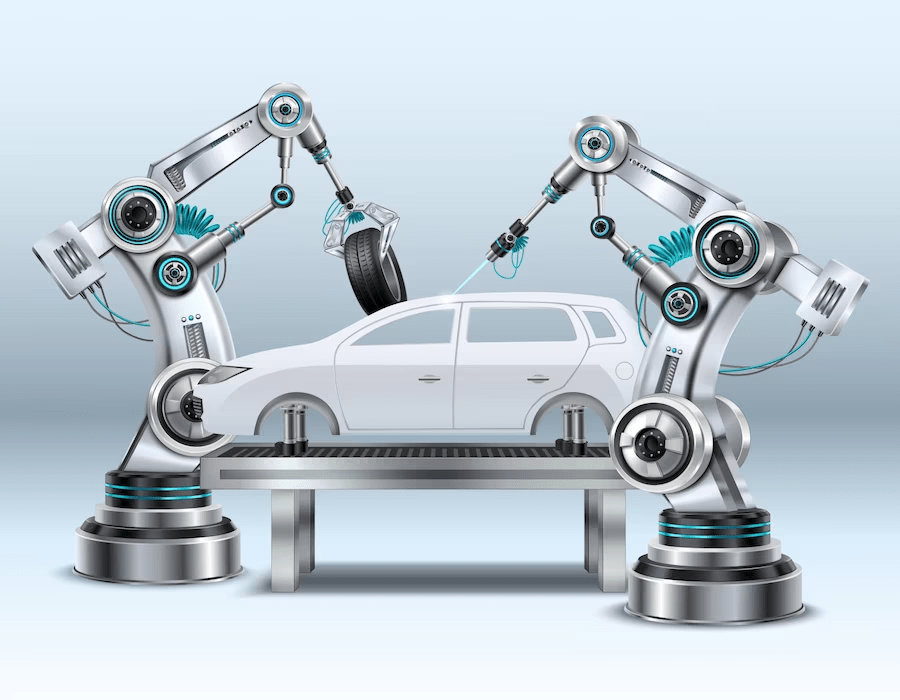
The automotive industry is on the cusp of a transformative revolution, and at the heart of this change is artificial intelligence (AI). AI-powered technologies are paving the way for autonomous vehicles, making transportation safer, more efficient, and environmentally friendly.
AI is reshaping the automotive industry in numerous ways, from self-driving cars to enhanced safety features. Let’s explore how AI is driving innovation in transportation.
1. Autonomous Vehicles
Self-driving cars are a prime example of AI’s impact on the automotive industry. AI algorithms use data from sensors, cameras, and radar to navigate and make real-time decisions, reducing the risk of accidents and improving traffic flow.
2. Advanced Driver Assistance Systems (ADAS)
AI-powered ADAS features enhance driver safety by providing real-time alerts and assistance. These systems include adaptive cruise control, lane-keeping assistance, and collision avoidance, making driving safer and more comfortable.
3. Predictive Maintenance
AI algorithms monitor a vehicle’s health by analyzing data from sensors and internal systems. They can predict maintenance needs and alert drivers or service centers to address issues before they become critical.
4. Infotainment and Personalization
AI enhances the in-car entertainment experience by providing personalized content recommendations, voice-activated controls, and connectivity with external devices. This not only keeps drivers engaged but also improves the overall driving experience.
5. Traffic Management and Optimization
AI-powered traffic management systems analyze real-time traffic data to optimize traffic flow and reduce congestion. This has the potential to significantly reduce travel times and fuel consumption.
Challenges and Considerations
The integration of AI in the automotive industry is not without its challenges. Safety concerns, regulatory hurdles, and ethical considerations regarding autonomous vehicles are among the key issues. Additionally, ensuring the security of vehicle data and protecting against cyber threats are growing concerns in the AI-driven automotive landscape.
AI in E-commerce – Personalizing the Online Shopping Journey
The world of e-commerce is characterized by fierce competition and rapidly changing consumer preferences. To succeed in this dynamic environment, businesses are turning to artificial intelligence (AI) to create personalized and engaging online shopping experiences.
AI has become integral to the e-commerce sector, powering everything from product recommendations to inventory management. Let’s explore how AI is shaping the online shopping journey.
1. Personalized Product Recommendations
AI algorithms analyze user data and behavior to provide tailored product recommendations. Whether it’s suggesting related items, highlighting best sellers, or showcasing personalized deals, AI enhances the shopping experience and increases sales.
2. Chatbots and Virtual Shopping Assistants
AI-driven chatbots provide real-time assistance to shoppers, answering questions, helping with product selection, and addressing concerns. Virtual shopping assistants can guide users through the purchase process, mimicking the experience of interacting with an in-store sales associate.
3. Visual Search and Augmented Reality (AR)
Visual search technology allows users to find products by uploading images or using their smartphone cameras. AR apps enable customers to virtually try on clothing, visualize furniture in their homes, or see how products fit into their lives before making a purchase decision.
4. Dynamic Pricing and Inventory Management
AI optimizes pricing strategies by analyzing market conditions, competitor prices, and demand fluctuations. Dynamic pricing ensures that products are competitively priced and that customers receive the best deals.
5. Fraud Detection and Security
AI plays a crucial role in detecting and preventing fraudulent transactions. Machine learning algorithms analyze user behavior and transaction patterns to identify suspicious activities and protect both customers and businesses.
Challenges and Considerations
While AI offers significant advantages in e-commerce, it also presents challenges. Concerns about data privacy, algorithmic bias in recommendations, and the need for transparent AI systems must be addressed. Additionally, businesses must strike a balance between personalization and privacy to build and maintain customer trust.
Conclusion
In this series, we have explored the boundless potential of artificial intelligence across a spectrum of industries. From enhancing guest experiences in hospitality to personalizing the online shopping journey in e-commerce, AI has proven to be a game-changer. It’s reshaping the future of entertainment, optimizing legal services, making education more accessible and effective, and revolutionizing travel, logistics, and the automotive industry. As we conclude this series, one thing is clear: AI’s transformative power knows no bounds. It continues to redefine the way we live, work, and interact with the world, promising a future filled with innovation, efficiency, and endless possibilities. We look forward to witnessing the ongoing evolution of AI and its continued impact on our lives and industries.

 Development Services