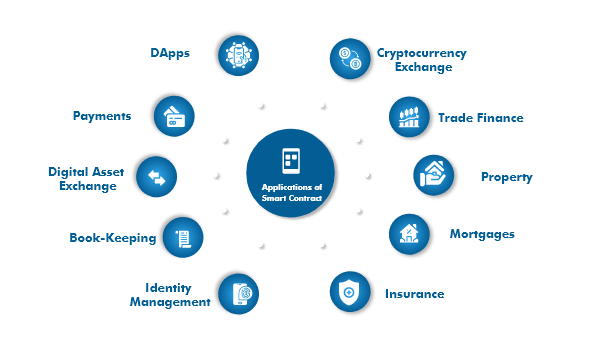
In the rapidly evolving world of blockchain technology, smart contracts have emerged as a critical component of decentralized applications. These self-executing contracts eliminate the need for intermediaries, automate processes, and ensure transparency and security in transactions. As a result, smart contract development has become a sought-after service in the blockchain industry. In this article, we will discuss the importance of a smart contract development company and the services it offers.
What is Smart Contract Development?
Smart contract development involves the creation of computer programs that automatically execute the terms of a contract when certain predefined conditions are met. These contracts are self-executing and enforceable, which means they can eliminate the need for intermediaries, such as banks, lawyers, and brokers. Smart contracts run on the blockchain, which ensures that they are transparent, tamper-proof, and secure.
The Importance of a Smart Contract Development Company
Smart contract development is a complex process that requires expertise in programming, blockchain technology, and contract law. It is not a task that can be taken lightly or performed by amateurs. Therefore, it is crucial to engage the services of a smart contract development company that has the necessary skills, knowledge, and experience to create robust, efficient, and secure contracts.
A smart contract development company will work closely with its clients to understand their requirements, design the contract architecture, write the code, test the contract, and deploy it on the blockchain. The company will also provide ongoing maintenance and support to ensure that the contract remains functional and up-to-date.
Smart Contract Development Services
A smart contract development company offers a wide range of services to its clients, including:
- Smart Contract Design and Architecture: The company will design and architect the smart contract based on the client’s requirements, ensuring that it meets all legal and technical specifications.
- Smart Contract Coding: The company will write the code for the smart contract using programming languages such as Solidity, Vyper, or Rust.
- Smart Contract Testing: The company will test the smart contract to ensure that it works as intended and is free of bugs and errors.
- Smart Contract Deployment: The company will deploy the smart contract on the appropriate blockchain network, such as Ethereum, Binance Smart Chain, or Polygon.
- Smart Contract Maintenance and Support: The company will provide ongoing maintenance and support to ensure that the smart contract remains functional and up-to-date with the latest blockchain developments.
Benefits of Smart Contract Development
Smart contract development offers numerous benefits to businesses and individuals alike. Some of these benefits include:
- Efficiency: Smart contracts automate processes, eliminate intermediaries, and reduce transaction costs, thereby increasing efficiency and saving time and money.
- Transparency: Smart contracts are transparent and tamper-proof, which means that all parties can see the terms of the contract and the status of the transaction at all times.
- Security: Smart contracts are secure and immutable, which means that they cannot be altered or deleted once deployed on the blockchain, ensuring that the contract is executed exactly as written.
- Trust: Smart contracts are self-executing and enforceable, which means that they can eliminate the need for trust between parties, thereby increasing the level of trust in decentralized ecosystems.
Conclusion
Smart contract development has become an essential service in the blockchain industry, enabling businesses and individuals to execute contracts efficiently, transparently, and securely. Engaging the services of a smart contract development company is crucial to ensure that the contracts are designed, coded, tested, and deployed correctly. With its expertise in programming, blockchain technology, and contract law, a smart contract development company can help build trust in decentralized ecosystems, thereby advancing the adoption of blockchain technology.

 Development Services